Pharmacy First Brighton: 7 Conditions You Can Get Treated Without Waiting for a GP
Waiting several days for a GP appointment is frustrating when you have a sore throat, earache, or a urine infection that needs treating quickly. Pharmacy First in Brighton gives you another route. Under this NHS service, trained pharmacists can now assess and treat seven common conditions, including supplying prescription-only medicines where appropriate, without you needing to see a doctor first.
In this guide, we explain what Pharmacy First covers, who is eligible, what happens during a consultation, and when you might still need a GP appointment. We also look at why more people across Brighton are choosing Pharmacy First at Leybourne Pharmacy as their first stop for these everyday health problems.
What Is Pharmacy First and How Does It Work in Brighton?
Pharmacy First is an NHS England service that launched in 2024, building on the minor ailments support pharmacies have offered for years. It allows specially trained community pharmacists to assess a set list of common conditions against a national clinical pathway and, where it is safe and appropriate, supply medicines including some antibiotics and antivirals directly. This is the same clinical decision a GP would usually make, but delivered by your local pharmacy team.
At Leybourne Pharmacy in Brighton, our pharmacists have completed the required training to offer Pharmacy First. You can be referred to us by your GP surgery or NHS 111, or in many cases you can simply walk in and ask to speak to the pharmacist about one of the seven conditions below.
The 7 Conditions Covered by Pharmacy First
NHS England has commissioned Pharmacy First to cover seven common infections and conditions, each with its own age range and clinical criteria:
- Sinusitis, in patients aged 12 and over
- Sore throat, in patients aged 5 and over
- Earache, in children aged 1 to 17
- Infected insect bites, in patients aged 1 and over
- Impetigo, in patients aged 1 and over
- Shingles, in patients aged 18 and over
- Uncomplicated urinary tract infections, in women aged 16 to 64
If your symptoms match one of these conditions, the pharmacist will talk through how long you have had them, how severe they are, and any other health conditions or medicines that might affect treatment. They can then supply medicine on the spot if it is clinically appropriate, recommend self-care, or refer you onward if anything needs closer investigation.
Is Pharmacy First Free on the NHS?
Yes. If you meet the clinical criteria for one of the seven conditions above, the consultation itself is free, and so is any medicine supplied as part of the service. The usual NHS prescription charge rules still apply in England, so if you would normally pay for prescriptions you may be asked to pay the standard charge, and the same exemptions apply if you qualify for free prescriptions.
What Happens During a Pharmacy First Consultation?
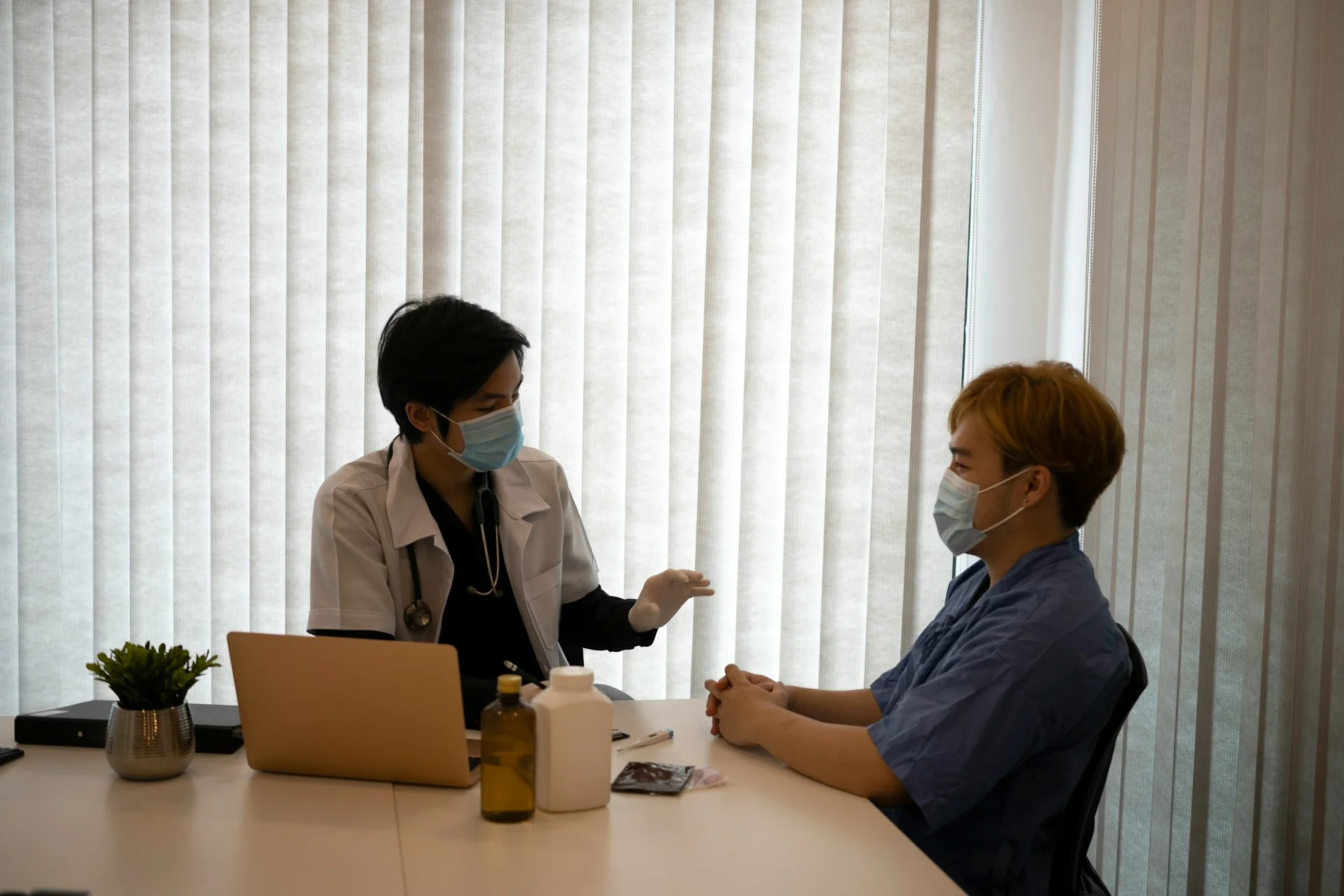
You will be seen in a private consultation room, away from the main shop floor, so you can speak openly about your symptoms. The pharmacist will ask questions similar to those a GP would ask, and may examine the affected area, such as looking in your ear or at a rash, depending on your condition.
Using the same national clinical guidelines a GP practice follows, the pharmacist will then decide whether you need antibiotics or antivirals, whether self-care and over-the-counter treatment is more appropriate, or whether your symptoms suggest something that needs a same-day GP or urgent care assessment instead. Most appointments take around ten to fifteen minutes.
When You Might Still Need to See a GP
Pharmacy First is not a replacement for every GP appointment. If your symptoms fall outside the seven conditions, if you are outside the eligible age range, or if the pharmacist spots signs that need further investigation, such as a high fever, severe pain, or symptoms that keep coming back, they will explain this clearly and help you arrange the right next step, whether that is your GP, NHS 111, or urgent care.
Pregnant women and some patients with other health conditions may also be advised to see a GP for certain conditions, as an extra precaution. Your pharmacist will always tell you if this applies to you.
Why Choose Leybourne Pharmacy for Pharmacy First in Brighton
Our pharmacy team offers Pharmacy First alongside a wider range of NHS and private services, from rapid blood tests to travel vaccinations, so we can often help with related health questions in the same visit. With flexible opening hours and a central Brighton location, Pharmacy First appointments are usually easier to get than a same-day GP slot, and many patients are seen without needing to book at all.
Skip the Wait, Get Treated Today
If you think you might have one of these seven conditions, find out more about Pharmacy First at Leybourne Pharmacy and speak to our team in Brighton. If you are not sure whether you are eligible or want to check before you visit, please contact us and we will be happy to help.