
What Ear Microsuction in Brighton Really Feels Like for Patients
What Ear Microsuction in Brighton Really Feels Like
Blocked ears can make simple things, like hearing a friend in a café or listening to waves on the beach, feel strangely distant. Ear wax is a small problem that can have a big impact, and many people feel nervous about getting it removed because they are not sure what will actually happen during treatment.
In Brighton and across East Sussex, ear microsuction has become a popular way to clear stubborn wax, especially towards late summer when people have been swimming, travelling, and going to loud events. We know it can feel odd to let someone work so close to your ears, so in this article we will walk through what ear microsuction feels like before, during, and after, so you can decide if it is right for you with confidence.
Why Ear Wax Often Feels Worse in Summer
Ear wax is not dirt, it is your ear’s natural cleaning and protection system. It traps dust and small particles, and normally, tiny movements of your jaw help move old wax out of the ear canal on its own. Sometimes, that natural process gets interrupted and the wax builds up.
A few everyday habits can make this more likely, such as:
- Wearing earbuds or headphones for long periods
- Using hearing aids
- Cleaning with cotton buds
- Having naturally narrow or bendy ear canals
Summer around Brighton adds a few extra triggers. More people are:
- Swimming in the sea or pools, which lets more water in and out of the ears
- Flying for holidays, which can put pressure on the ears
- Using earplugs at festivals, gigs or Pride events to protect hearing
Water can make wax swell, earplugs and earbuds can push it further in, and pressure changes on flights can make a blocked ear feel much worse.
Common signs that wax has become a problem include:
- Muffled hearing or feeling like sounds are “underwater”
- A blocked or full feeling in one or both ears
- Itchiness or irritation in the ear canal
- Ringing or buzzing (tinnitus)
- Discomfort or sharp changes when flying
People often try home remedies first, like olive oil drops or over-the-counter kits. Softening drops can sometimes help, but cotton buds and home syringing kits risk pushing wax deeper or irritating the ear. Microsuction ear wax removal uses gentle suction under direct vision, which is why many clinicians see it as a safer and more precise option.
What Happens When You Arrive for Microsuction
When you walk into a pharmacy for microsuction, you should feel calm rather than rushed. The space is clinical but still friendly, with a private room so you are not being examined in front of other customers. You can sit down, take a breath and ask questions before anything begins.
The check-in process usually includes:
- Confirming your appointment and details
- A short medical history
- Questions about recent ear infections, surgery or perforated eardrums
- Any medications you are taking or ear drops you have used
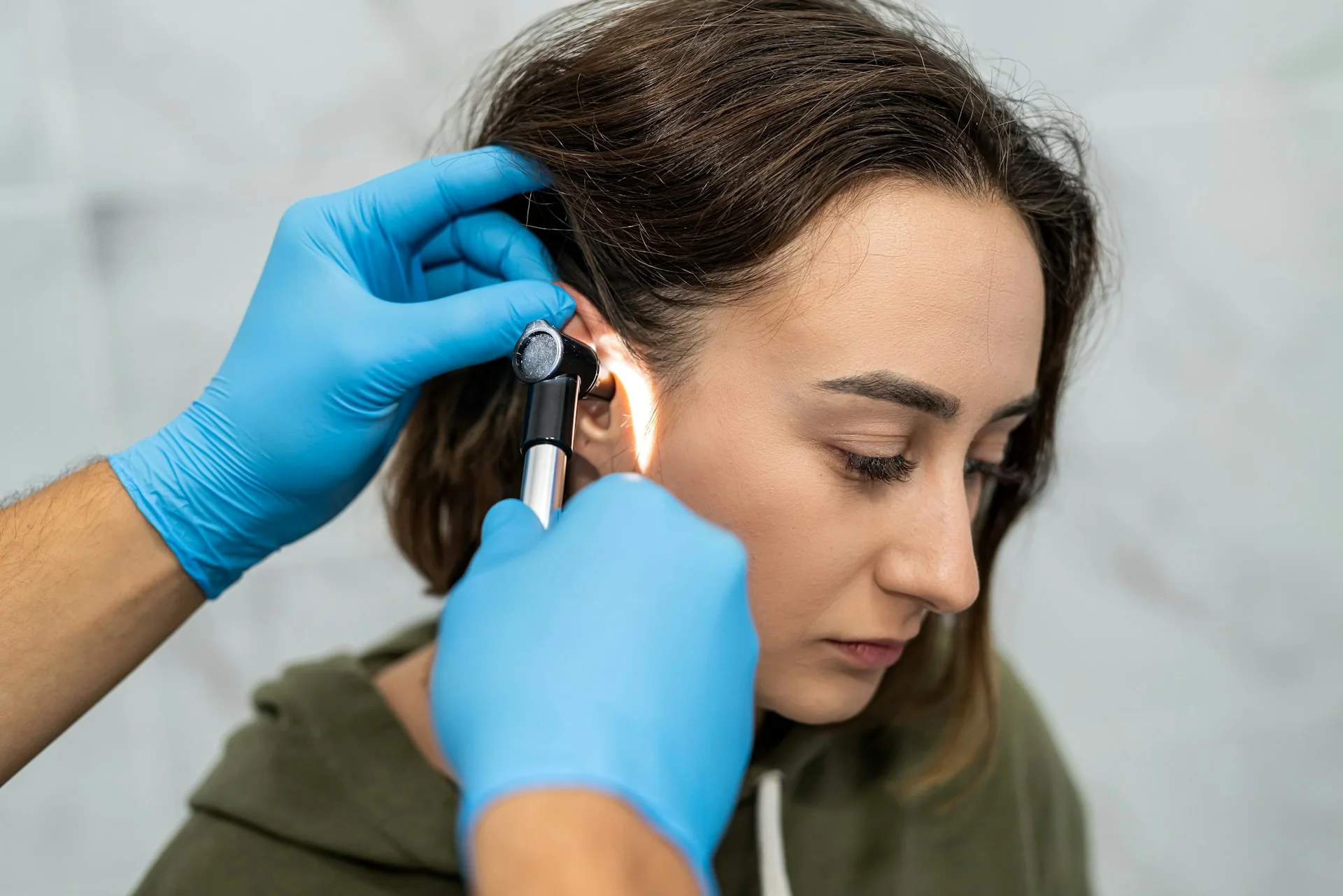
Next comes the clinical assessment. The clinician will gently look into each ear, often with an otoscope or a light and magnifier, checking:
- How much wax there is
- Where it is sitting in the canal
- Whether the eardrum can be clearly seen
- Any signs of infection or irritation
They will explain what they see in plain language, so you know why they recommend microsuction or, in some cases, another approach. If you feel anxious, you can say so. A good clinician will make it clear that you are in control, that you can ask to pause at any time, and that they will describe each step before they do it.
What Microsuction Ear Wax Removal Actually Feels Like
Once you are ready, you will usually sit in a comfortable chair, sometimes slightly reclined. The clinician will position a light and use a microscope or magnifying loupes so they can see your ear canal in detail. This close view is one of the reasons microsuction is so precise.
The suction device is small and designed for use in ears. When it is switched on, you will hear a humming or gentle whooshing sound. As it gets close to the wax, most people notice:
- A tickling or light pulling feeling
- Changes in sound as wax lifts away
- Occasional brief “pops” as small pieces come free
It should not be painful. If you do feel sharp discomfort, you can tell the clinician straight away so they can adjust their technique, change angle, or stop for a moment. Many people are surprised at how odd but manageable the sensation is, more strange than painful.
The procedure usually takes a few minutes per ear. If the wax is very hard or impacted, the clinician may:
- Take a bit longer with gentle, repeated passes
- Suggest using softening drops and returning on another day
- Work on part of the wax and then reassess how you feel
Throughout, they should check in with you, ask how you are doing, and let you know how much is left to remove. The focus stays on comfort and safety, not on rushing to finish.
How Your Ears Feel Right After Microsuction
When the suction stops and the clinician has checked your ear canal and eardrum again, the first thing many people notice is how different the world sounds. Things may feel suddenly louder, clearer or “crisper”. Some people need a moment to adjust.
Normal, short-lived effects in the hours afterward can include:
- Mild sensitivity to loud sounds while your ears readjust
- A cool, open or airy feeling in the ear canal
- Slight crackling or rustling noises as tiny bits of moisture or wax settle
Your balance might feel a little different for a short while, especially if both ears were heavily blocked, so it can help to stand up slowly. The clinician will usually share simple aftercare advice, such as:
- Avoid poking your ears or using cotton buds
- Take care if you swim soon after the procedure
- Hold off from inserting earbuds or earplugs for a short period
If you feel strong pain, discharge, or your hearing suddenly worsens after leaving, that is not typical, and you should contact a health professional for advice.
How long the results last depends on how fast your ears produce wax and your habits. Some people in Brighton only need help once in a long while. Others, especially those with hearing aids or narrow ear canals, may find a regular pattern of maintenance works best.
How Microsuction Compares to Other Wax Removal Methods
Many people have experience of ear syringing or irrigation, where water is used to flush out wax. Microsuction is different. It:
- Uses little or no water
- Lets the clinician see the wax clearly through magnification
- Allows more control over which areas are treated
This can be especially helpful for people who have had problems with water-based methods, or who are not suitable for them, such as those with a history of perforated eardrums, repeated ear infections or grommets. Using water in these situations may be risky, so microsuction gives another option.
Over-the-counter drops still have a place. They can soften wax and may make future removal easier. The risk comes when drops are combined with cotton buds, hair grips or other objects that push wax deeper or scratch the delicate skin of the ear canal.
At a good pharmacy service, the focus is not just on one method, but on what is safest for your ears. Microsuction ear wax removal is one of the main tools, but the advice should always be tailored to your ears, your history and your comfort level.
For people in Brighton and East Sussex who are tired of feeling blocked, frustrated in conversations or worried about flights and festivals with clogged ears, understanding what microsuction really feels like is often the first step to clearer, more comfortable hearing.
Hear Clearly Again With Safe, Gentle Treatment
If you are struggling with blocked ears or muffled hearing, our expert microsuction ear wax removal service provides a precise and comfortable solution. At Leybourne Pharmacy, we use specialist equipment to remove excess wax while keeping your ears safe and protected. To arrange an appointment or ask any questions, simply contact us and we will be happy to help.