Ear Microsuction Aftercare in Brighton: First 24–72 Hours (Water, Flying)
Ear microsuction can feel like a big relief. Suddenly, sounds are clearer, you are not straining to hear, and that blocked feeling has gone. The first few days after treatment are important though. Simple aftercare steps help keep your ears comfortable and reduce the chance of irritation or infection.
In this guide, we explain what to expect after microsuction ear wax removal, what is normal and what is not, and how to look after your ears in the first 24 to 72 hours. We also cover water and swimming, flying and holidays, ear drops and pain relief, and when it is time to ask for help.
Enjoying Clearer Hearing After Microsuction Ear Wax Removal
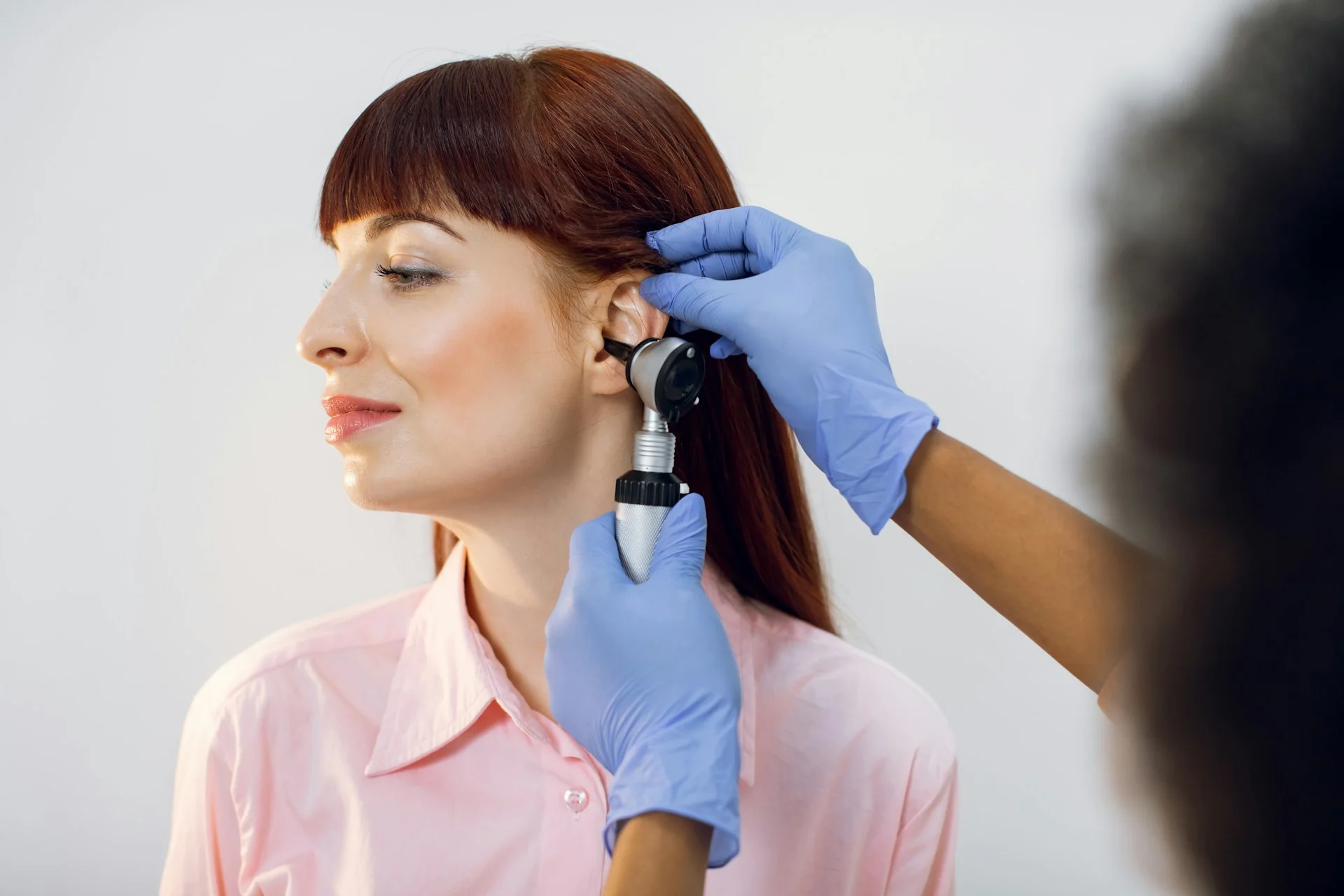
Microsuction ear wax removal is a way of clearing wax using gentle suction and magnification. Instead of pushing water into the ear like syringing, a clinician uses a small suction device to lift wax out while looking directly into the ear canal. Many people prefer this method because it is usually quick, comfortable, and does not soak the ear.
Good aftercare is about protecting the freshly cleaned ear canal. The skin inside the ear can be a little sensitive after wax has been removed. Looking after your ears in the first 24 to 72 hours helps you:
- Keep your ears comfortable
- Lower the chance of infection
- Get the full benefit of your clearer hearing
It is normal to notice:
- Clearer but slightly strange hearing while your brain adjusts
- Mild sensitivity to sound
- A light tickle or itch inside the ear
It is not normal to have strong pain, heavy discharge, or a big drop in hearing. That is why following the advice from trained clinicians matters.
The First 24 Hours: Protecting Your Ears Straight Away
On the day of treatment, your ears may feel different straight away. Some people notice:
- Mild itchiness where the wax was sitting
- A sense of the ear feeling open or hollow
- Slight ache or twinges that settle within a short time
Simple do and do not steps help your ears settle.
Do:
- Keep fingers, cotton buds, and other objects out of the ear canal
- Keep volume low if you use headphones or earphones
- Rest if you feel a bit lightheaded after the appointment
Do not:
- Use cotton buds or ear candles
- Try DIY ear cleaning methods
- Blast loud music straight into your ears
Most people can go back to normal daily tasks, including work or school, the same day. If your job is very noisy, ear defenders can help while your ears feel a bit sensitive.
If you already have a mild cold or hay fever, the nose and ears can feel more blocked. Using treatments recommended by a pharmacist for your nose can support ear comfort. If you feel unwell, resting at home and keeping sound levels gentle can make the day easier.
Water and Showering: Keeping Your Ears Dry and Safe
After microsuction ear wax removal, the skin in the ear canal may be a little more open to irritation. Keeping water out for a short period can help.
For showering or washing your hair:
- You can usually shower the same day
- Keep your head upright where possible
- Place a small piece of cotton wool coated in petroleum jelly in the bowl of the ear, not pushed in, to help keep water out
- Gently pat the outer ear dry with a clean towel after
Avoid aiming the shower directly into your ear. If a small splash goes in, tilt your head to let it run back out, and gently dry the outside.
For swimming in pools or the sea, it is often safer to wait at least a couple of days so the ear canal can settle. This is especially important if you have:
- A history of ear infections
- A known or past perforated eardrum
- Very sensitive skin or eczema around the ear
If you do go swimming later on, you may find:
- A swimming cap or ear plugs made for water sports help keep ears dry
- Avoid diving or swimming deep where pressure changes are stronger
Watch for signs that water has upset the ear canal, such as:
- New pain that gets worse
- Discharge or fluid coming from the ear
- A full or blocked feeling that returns
If these appear, you should stop getting the ear wet and ask a healthcare professional for advice.
Flying, Holidays and Brighton Day Trips After Microsuction
Many people have microsuction ear wax removal before a holiday or trip so they can hear clearly when travelling. Pressure changes during flying or going up and down hills can affect how your ears feel.
If your ears feel comfortable after treatment, you can usually fly quite soon. If you are flying very shortly after your appointment, it can help to:
- Sip water and swallow during take-off and landing
- Chew gum or suck lozenges to help equalise pressure
- Use a nasal spray if a clinician has recommended it
Travel by train, coach, or on hilly roads can also cause popping in the ears. Gentle yawning and swallowing usually help.
For holidays, days out or local events:
- Use ear protection at loud festivals, concerts, or sports events
- Take care with in-ear headphones if your ears feel sensitive
- On beach days, try to keep sand, suntan products, and water out of your ears
If you travel regularly or have had ear problems before, arranging an ear health review before a big trip can be useful so you start your travels with clear, comfortable ears.
Ear Drops, Pain Relief and What Is Normal Recovery
After microsuction ear wax removal, softening drops like olive oil are usually not needed straight away because the wax has already been removed. Only use ear drops if a clinician has suggested them for a specific reason.
There are two main types of drops to know about:
- Softening drops, used before wax removal
- Medicated drops, which may be given if there is an infection or inflammation
Only use medicated drops in the way and for the length of time explained by the prescriber. Do not use old drops left in a cupboard without advice.
Normal recovery signs in the first 24 to 72 hours can include:
- Clearer hearing that may take a short time to feel normal
- Mild sensitivity to loud noises
- Occasional brief twinges
If you need pain relief, simple options from a pharmacy can be helpful, as long as they are safe for you with any other conditions or medicines you take.
If you are prone to dry, itchy ears or eczema:
- Keep the outer ear skin moisturised with a product recommended by a pharmacist
- Wipe creams only on the outside of the ear, not in the canal
- Avoid putting oils, creams, or ointments deep into the ear unless advised
Avoid products that claim to clean the ear canal at home. The ear is delicate and professional guidance is safer.
When to Seek Help and How Leybourne Pharmacy Can Support You
Most people feel fine after microsuction ear wax removal and do not need any extra help. It is important to know when things are not going the way they should.
Red flags include:
- Pain that gets stronger or does not improve
- Persistent dizziness or spinning feelings
- New or louder ringing or buzzing in the ear
- Bleeding from the ear
- Offensive or thick discharge
- Hearing that suddenly drops again after being clear
If any of these happen, you should not ignore them. A pharmacist, GP, or other healthcare professional can assess what is going on and suggest the right next step. If symptoms are sudden, severe, or you feel very unwell, urgent care support may be more suitable.
At Leybourne Pharmacy in Brighton, we provide microsuction ear wax removal and follow-up care as part of wider ear and health services. Our team can talk through your symptoms, explain aftercare clearly, and help you plan future checks so your ears stay as healthy and comfortable as possible all year round.
Hear More Clearly With Safe, Professional Care
If you are tired of struggling with blocked ears, book your appointment today for expert microsuction ear wax removal with Leybourne Pharmacy. Our trained team use gentle, clinically approved techniques to help restore comfortable, clear hearing. If you have any questions or need help arranging a suitable time, please contact us and we will be happy to assist.